






Blog
8 Fascinating & Little Known Facts about Pain
Pain is ubiquitous, just in the US over 76 million people suffer from some type of pain, that’s more than the populations of most countries! Pain is as much part of everyday life as eating or drinking, just think of a paper cut, burned lip from too hot coffee or a sprained ankle. And as far as we know, it just might be the most ancient affliction.So you would think we know everything there is to know about it. Well, read on and see if you recognize these shocking pain facts:
It’s All In Your Head
As revealed in the CIA torture handbook, psychological torture is more effective than physical torture. The threat of physical pain is more effective than the actual pain itself. People can draw a pretty vivid picture of events to come. Inmates are more afraid at the thought of pain because they consistently underestimate their ability to withstand the said pain. May be actions don’t speak louder than words after all.
Don’t Light It Up
Smoking can increase the risk for back pain and chronic pain, according to studies. Nicotine can decrease the blood flow to joints in the back which results in slower healing and potential for further injury.
Brain No Pain
When someone steps on your toe, the nerve fibers there send signals through the spinal cord to the brain. The brain then recognizes and registers the signals as pain, and sends those signals back to the body. But while the brain is the interpreter of pain, the brain itself does not feel pain. In fact, when the brain is operated on, the patient does not feel any pain and could be awake for the procedure. For example: during brain mapping, surgeons need to monitor patient reactions such as movement and speech and the patient is kept awake during the procedure.
Prehistoric Joints, Say What?
Ever wonder what, if any, diseases existed way back when? We did! Here is what we found out: Ospeoarthritis (causes chronic pain due to gradual wear and tear on joints) has been plaguing people since Prehistoric times! It was found in human skeletons from the Ice Age (before 8000 BCE) and in Egyptian mummies. Given how long it has been around, it’s surprising that modern medicine still doesn’t completely understand it.
Pain Override
The brain processes one sensation at a time, this is the reason you only feel the cold from an ice pack that was placed on top of a painful bruise on your arm, instead of feeling the pain from the bruise. Due to this “one sensation at a time” phenomenon one of the pain management methods taught to people who experience pain is to focus on a different physical stimulus. This is also the reasoning behind our instinctual habit of rubbing an area that hurts.
Are you Seeing Red?
Redheads experience more pain. Seems far fetched but studies have confirmed that the same genes that give redheads their hair color also make them resistant to certain anesthetics and pain medications.
Pleasure not Pain
While you might not be in the mood when you are in pain, “it” could help to alleviate the pain. Sex releases endorphins that act as the body’s natural painkillers. It has been confirmed in a 2013 study: 60% of people who get migraines and who got it on during an episode said it helped with lessening the pain.
Don’t Turn Your Back on It
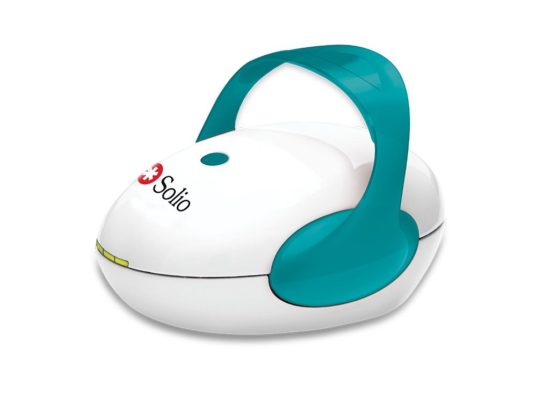
The most common type of pain is…back pain! With 27% of Americans complaining of lower back pain, the next biggest pain causing issue is headaches/migraines with 15%. Best way to ease chronic back pain is a combination of gentle, regular stretching and strengthening exercises, as well as maintaining a healthy body weight. If you are still feeling back pain you can try Solio Therapy pain relief device. The heat emitting technology helps the body heal itself and gain pain relief.

