



Blog
Sleep and Pain: How to Break the Cycle of Insomnia and Chronic Discomfort

May
How to break the cycle of insomnia and pain!
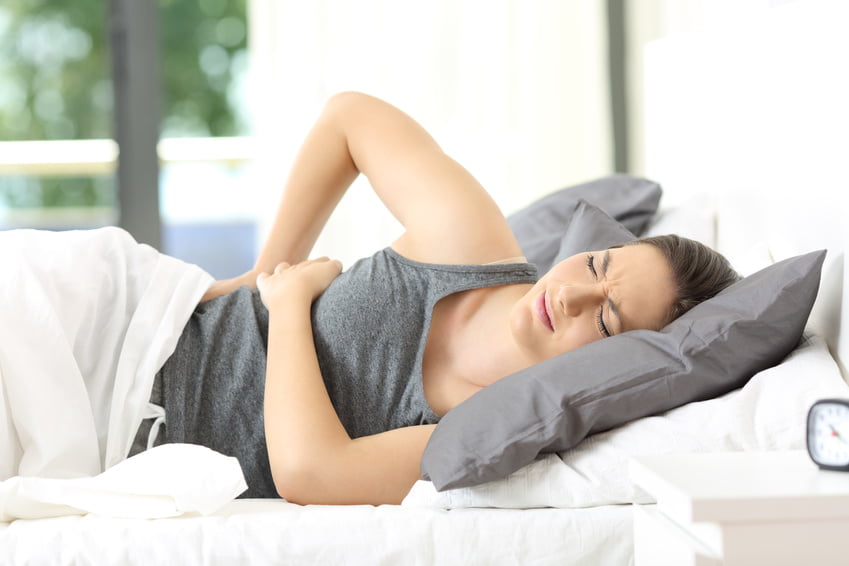
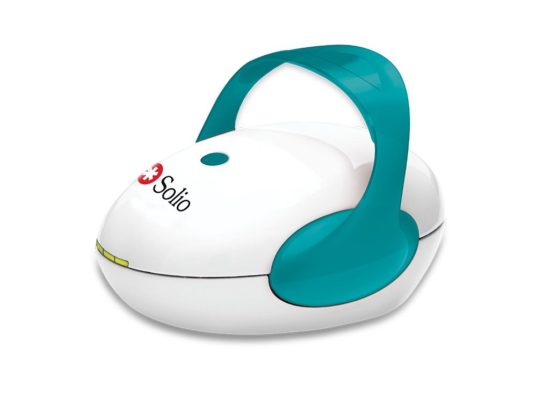
To break the cycle of insomnia and pain, it's crucial to address both aspects as they are directly related and intensify each other. This cycle, where pain disrupts sleep and poor sleep exacerbates pain, can be overcome through various strategies. These include temporary pain medication (with caution for side effects), regular meditation to lower pain perception and anxiety, moderate exercise to reduce inflammation and strengthen the body, and Light Energy Pain Therapy like Solio Alfa Plus, which provides pain relief and treats underlying conditions. By effectively managing pain, sleep quality improves, which in turn helps reduce pain, transforming the negative cycle into a healing one.
Frequently Asked Questions
- 1 How are sleep and pain related?
-
Sleep and pain are directly and intricately related, forming a cycle where each intensifies the other. Physical pain makes it difficult to fall and stay asleep, leading to restless nights and a lack of restorative sleep. This poor sleep then weakens the body and mind, which can increase physical pain, perpetuating the cycle.
- 2 Does pain cause insomnia, or does insomnia cause pain?
-
The article suggests an intervened relationship where it's a never-ending cycle. Regardless of which came first, pain makes it harder to sleep, and lack of sleep intensifies pain. They feed on each other, worsening the condition over time.
- 3 What is the 'cycle' of sleep and pain?
-
The cycle involves physical pain making sleep difficult, leading to light, broken, and restless sleep. This lack of restorative sleep weakens the body and mind, which in turn increases physical pain. The increased pain then further worsens sleep quality, continuing the detrimental loop.
- 4 How much sleep do people with chronic pain typically miss?
-
Individuals with chronic pain report an average gap of 42 minutes between the amount of sleep they should be getting and how much they actually get. For those with acute pain, the reported gap is 14 minutes.